Ghost Assets on Construction Sites: How Moving Machinery Unnoticed Drains Profitability
By Sourav Das•July 2026
Quick Answer
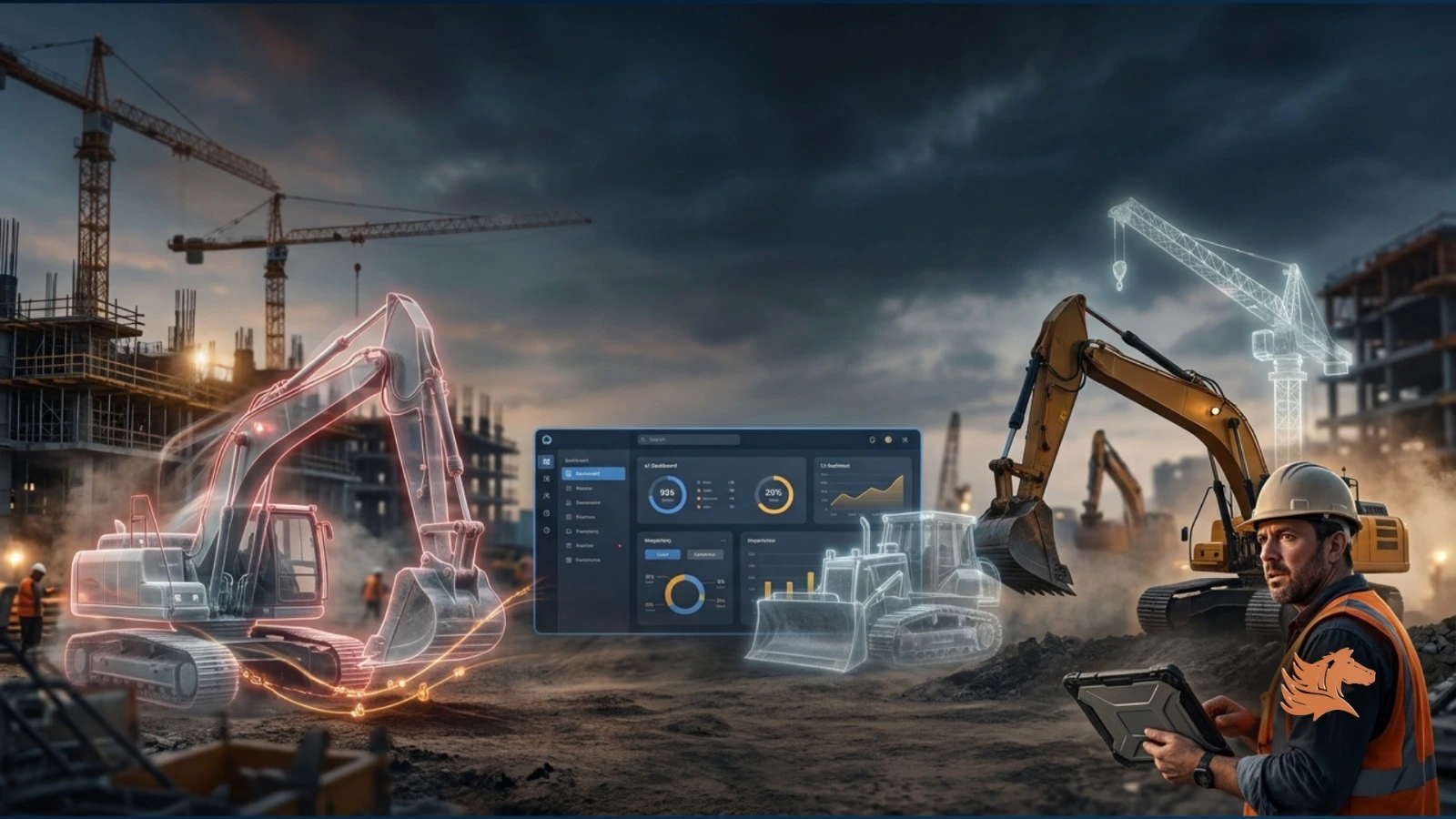
Ghost assets are construction assets whose real-world location, assignment, status, custody, or usage does not match the company's records. When excavators, loaders, generators, cranes, trucks, and tools move between jobsites without being properly recorded, companies can end up renting equipment they already own, purchasing duplicate machinery, leaving expensive assets idle, or delaying projects because equipment cannot be located quickly. Centralized construction asset management helps companies track what they own, where it is, who is responsible for it, and how it is being used.
What Are Ghost Assets in Construction?
A ghost asset is an asset that exists in company records but whose real world status or location cannot be reliably confirmed.
For construction companies, ghost assets commonly appear when equipment is frequently moved between construction sites, equipment yards, warehouses, maintenance facilities, subcontractors, and rental locations.
When transfers are managed through spreadsheets, phone calls, emails, or memory, asset records can quickly become outdated.
The equipment hasn't disappeared. Visibility has disappeared.
Why Ghost Assets Reduce Construction Profitability
Poor asset visibility can quietly increase construction costs by making it difficult to determine what equipment is actually available, where it is located, and whether it is being used.
Unnecessary Equipment Rentals
Suppose Project B needs an excavator. The asset register shows all company excavators as assigned to other projects, so the project manager rents one. Later, the company discovers that an excavator was actually sitting idle at another site. The business has paid for equipment it already owned.
Idle Machinery
Construction equipment is expensive whether it is working or sitting unused. Idle machinery can continue generating depreciation, insurance costs, maintenance costs, financing costs, and storage expenses.
Duplicate Purchases
When managers don't know what equipment is actually available, they may purchase or rent additional machinery unnecessarily. A centralized construction asset management system can help teams see what they already own before making another purchase.
Project Delays
When equipment cannot be located quickly, crews may wait for machinery or replacement equipment. Even a few hours of downtime can affect project schedules and labor productivity.
Construction Equipment Tracking Is More Than GPS
Many companies think equipment tracking means GPS tracking.
GPS is useful for high-value mobile machinery, but construction asset tracking can go much further.
A complete system can track:
Asset location
Project assignment
Asset transfers
Responsible employee
Equipment status
Utilization
Maintenance
Warranty
Insurance
Documents
Asset history
Why Asset History Matters
Knowing the current location of a machine is useful. Knowing where it has been is even more valuable.
For every equipment transfer, companies should ideally record:
Previous Location
New Location
Date
Project
Responsible Person
Condition
How to Prevent Ghost Assets on Construction Sites
Construction companies can reduce ghost assets with a few basic processes.
1. Give Every Asset a Unique ID
Assign every machine, vehicle, tool, and equipment item a unique asset number.
2. Record Every Transfer
Whenever equipment moves between projects, update its location and assignment.
3. Track Custody
Record who is responsible for the equipment—not just where it is.
4. Monitor Idle Equipment
Regularly identify machinery that is available but not being used.
5. Track Rental Equipment
Record rental start dates, expected return dates, project assignments, and actual return dates.
Perform Regular Asset Audits
Compare the physical equipment at each jobsite with the digital asset register. This helps identify missing, transferred, idle, or incorrectly assigned assets.
Construction Equipment Tracking Software vs. Excel
Excel can work for a small equipment inventory.
The problem appears when a company manages multiple projects and hundreds of assets.
The biggest advantage of dedicated construction asset tracking software is having one centralized source of truth.
Requirement
Excel
Asset Management Software
Asset records
✓
✓
Multi-site tracking
Limited
✓
Transfer history
Manual
✓
Asset custody
Manual
✓
Maintenance tracking
Manual
✓
Insurance tracking
Manual
✓
Warranty tracking
Manual
✓
Asset history
Difficult
✓
Reporting
Manual
✓
How AssetPegasus Helps
AssetPegasus helps organizations centralize their physical and digital asset information.
For construction companies, this can provide a structured way to manage equipment records, assignments, transfers, maintenance information, insurance, warranties, documentation, and asset history.
Instead of asking:
"Where is our equipment?"
your team can work toward a better question:
"What equipment do we have, where is it assigned, who is responsible for it, and what is its current status?"
Better visibility can lead to better equipment utilization, fewer unnecessary rentals, stronger accountability, and better asset-related decisions.
Know your assets. Track their movement. Monitor their utilization. Protect your investment.
Conclusion
Better visibility can lead to better equipment utilization, fewer unnecessary rentals, stronger accountability, and better asset-related decisions.
Frequently Asked Questions
Know Your Assets. Track Their Movement. Protect Your Investment.
Centralize construction equipment records, assignments, transfers, maintenance, warranties, insurance, and asset history with AssetPegasus.
Share this article
More from our Blog
Why Restaurants Pay Twice for Equipment Repairs (and How Warranty Tracking Saves Capital)
By Anuj Das•July 2026
How Fleet Owners Avoid Overpaying for Repairs with Integrated Policy & Warranty Management
By Sourav Das•July 2026
The Hidden Cost of Missing Medical Equipment: How Hospitals Lose Millions to "Ghost Equipment"