Managing Machine & Equipment Warranties, Calibrations, and Insurance Policies in One System
By Sourav Das•September 7, 2026
Quick Answer
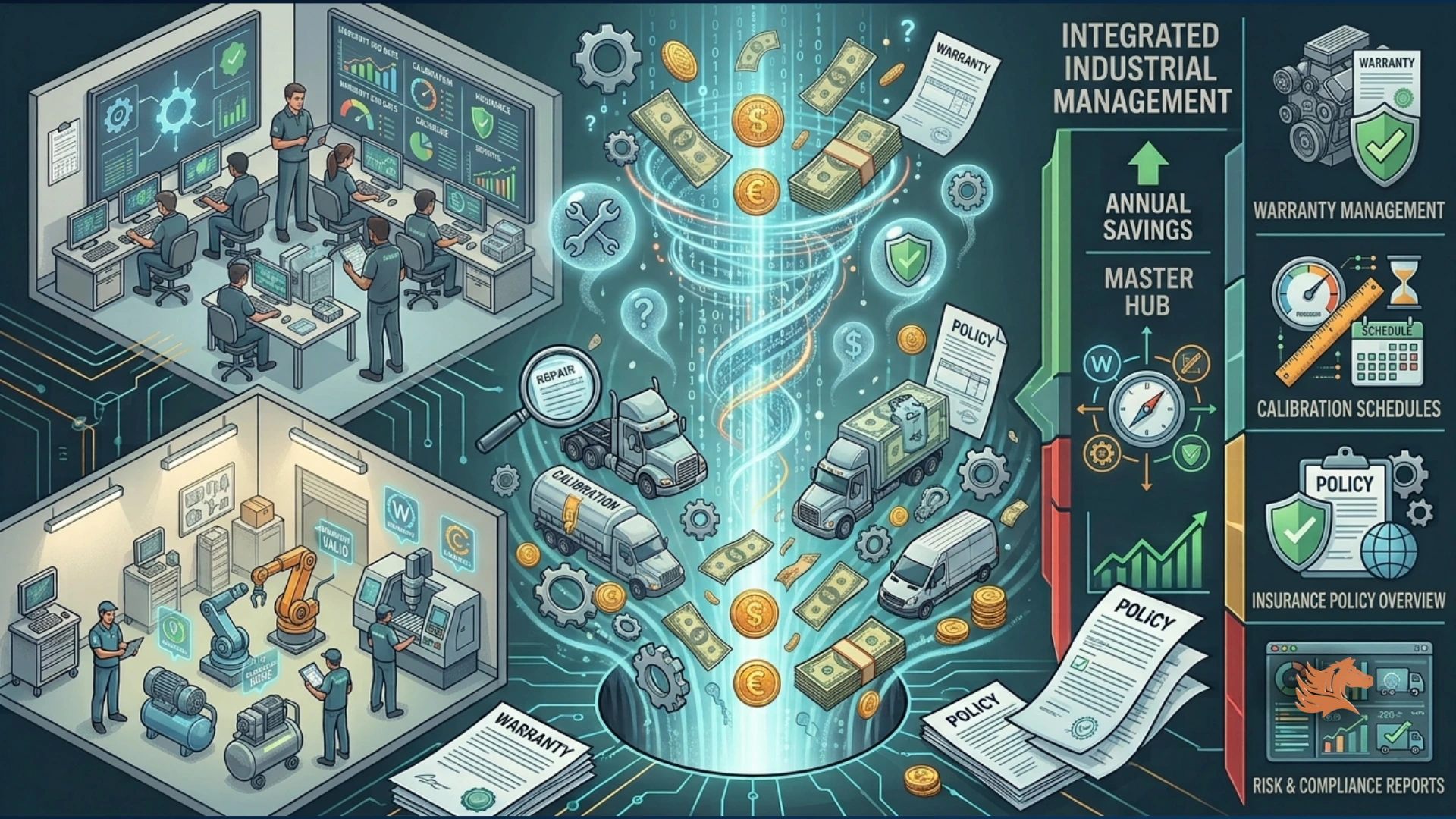
A machine warranty tracking system centralizes three records that are usually scattered across separate files: warranty coverage, calibration schedules, and insurance policies, for every piece of equipment a company owns.
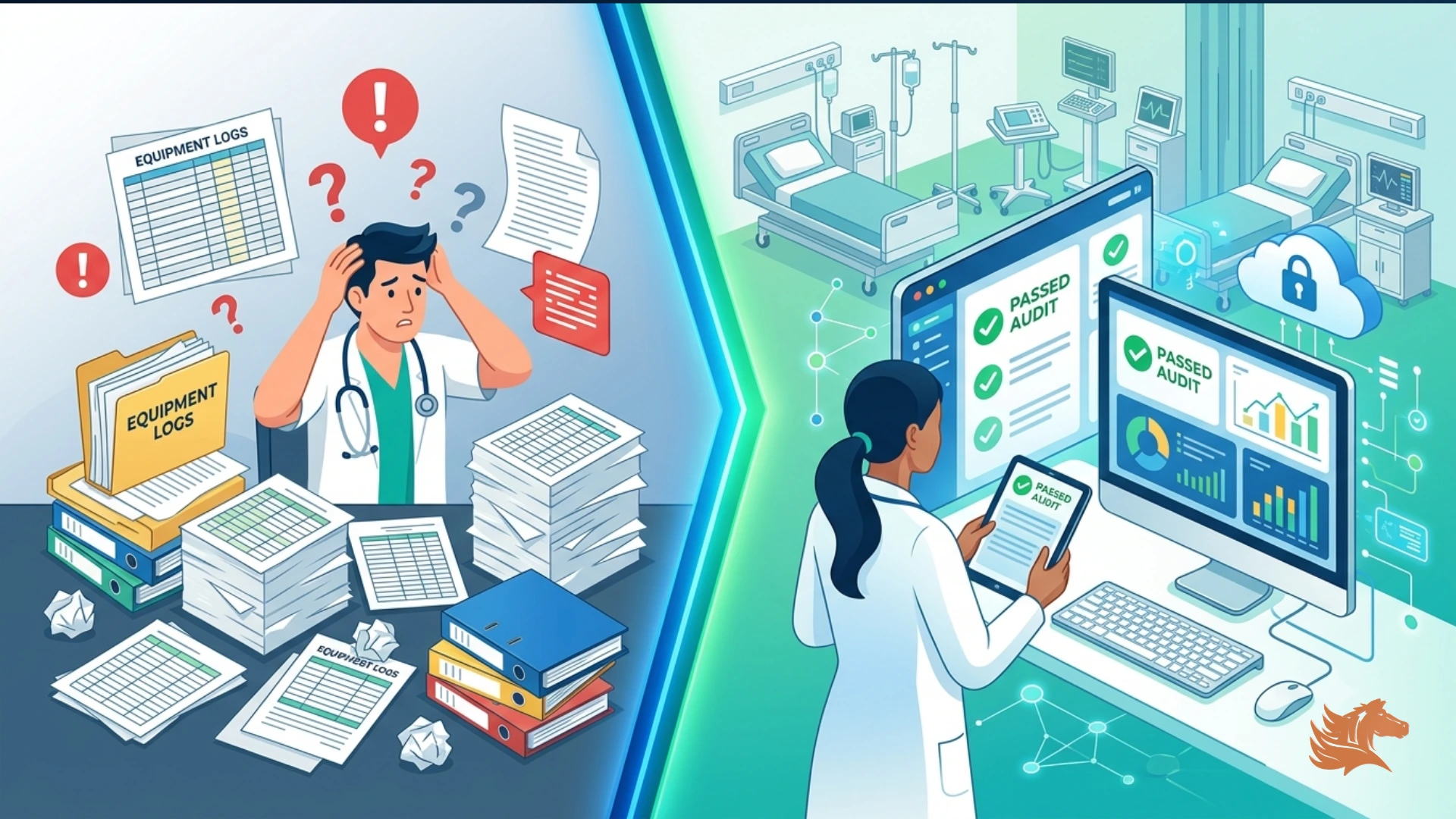
When these three data sets live in different places — a warranty PDF in someone's inbox, a calibration due date on a paper sticker, and an insurance policy in a filing cabinet — repairs get billed that should have been covered, calibration deadlines get missed, and audits turn into scrambles for missing documentation.
An equipment warranty tracking system like AssetPegasus solves this by linking warranty status, calibration due dates, and insurance coverage to a single asset record, so any team member can verify all three in one lookup before a repair, audit, or renewal deadline.
Why Do Warranties, Calibrations, and Insurance Get Managed Separately?
Most companies don't set out to fragment this data — it happens gradually, for structural reasons.
Different departments own different records. Procurement files warranty paperwork, quality and compliance teams manage calibration schedules, and finance or risk management holds insurance policies — three teams, three systems, and no shared view.
Paper and spreadsheet habits also persist. Calibration due dates often live on a physical sticker on the machine itself, disconnected from any digital record.
Warranty terms are inconsistent across vendors. Different manufacturers structure coverage differently — whole-machine warranties, component-level warranties, and extended service contracts — making manual tracking error-prone.
Insurance policies renew on a different cycle than maintenance. Annual policy renewals rarely align with equipment service schedules, so the two get tracked independently, if at all.
There is also no single trigger connecting the three. Nothing forces a warranty check, calibration check, and insurance check to happen together, so when a machine needs service, only one of the three may be verified.
What Does Fragmented Tracking Actually Cost?
The financial and compliance risk compounds across all three areas simultaneously, and the documented cost of getting any one of them wrong can be significant.
Risk Area
Consequence of Fragmentation
Warranty
Paying out of pocket for repairs the manufacturer would have covered
Calibration
Failed audits, rejected parts, and lost supplier contracts
Insurance
Lapsed coverage discovered only after a claim is denied
Combined
No single view to catch overlapping deadlines before they collide
How Does One Integrated System Fix This?
The fix isn't hiring more administrative staff to manually cross-check three systems — it's collapsing warranty, calibration, and insurance data into a single asset record that any authorized team member can check in seconds.
This is exactly the structure a platform like AssetPegasus is built around.
1
One Record Per Asset, Not Three
AssetPegasus attaches warranty terms, calibration schedule, and insurance policy details to a single equipment record — so checking a machine's status means one lookup, not three separate searches across departments.
2
Full Equipment Lifecycle Tracking
Every asset's purchase date, service history, current condition, and compliance status is tracked in one place, replacing the spreadsheet-and-filing-cabinet approach that causes much of this fragmentation.
3
Automated Preventive Maintenance and Calibration Scheduling
AssetPegasus automates maintenance and calibration scheduling so due dates are tracked continuously rather than relying on a sticker on the machine or a manager's memory.
This directly addresses the documentation gaps behind a large share of audit findings.
4
Native Warranty and Insurance Tracking
Warranty and insurance coverage are tracked in the same system as maintenance, with proactive alerts before either lapses.
This means a repair decision and a coverage check happen at the same time instead of being handled separately.
5
Proactive Alerts Across All Three Categories
Instead of discovering a missed calibration during an audit or a lapsed warranty after paying a repair bill, AssetPegasus sends automated alerts for upcoming service dates, calibration deadlines, and coverage expirations — all from one dashboard.
6
Multi-Location, Cloud-Based Visibility
For companies with equipment spread across multiple sites, AssetPegasus provides a single cloud dashboard showing warranty, calibration, and insurance status for every asset, at every location, with no local installs required.
7
QR Code Lookup on the Floor
Technicians can scan a QR code directly on a machine to instantly see its warranty status, next calibration date, and insurance coverage before authorizing a repair or scheduling downtime.
8
Audit-Ready, Compliance-Aligned Records
AssetPegasus is built with GDPR- and HIPAA-aligned data handling, helping regulated facilities produce complete, centralized documentation instead of scrambling across departments when an audit notice arrives.
9
Measurable Cost Reduction
Organizations using centralized asset management platforms like AssetPegasus commonly report cutting operational and compliance-related costs by up to 40%, largely by avoiding duplicate repair payments, missed calibration penalties, and lapsed insurance coverage.
Fragmented Tracking vs. One Integrated System
Requirement
Fragmented (Spreadsheets, Paper, Separate Teams)
Integrated (AssetPegasus)
Warranty check
Manual, department-dependent
Instant, attached to asset record
Calibration tracking
Paper stickers, manual calendars
Automated scheduling and alerts
Insurance visibility
Separate system, separate renewal cycle
Linked to the same asset record
Audit readiness
Reactive scramble across departments
Continuous, centralized documentation
Multi-site visibility
None
Single cloud dashboard
Conclusion
Managing warranties, calibration, and insurance separately creates unnecessary financial, operational, and compliance risk. By bringing all three into a centralized asset record with automated scheduling, proactive alerts, QR-based lookup, lifecycle tracking, and cloud-based visibility, organizations can reduce documentation gaps and make equipment-related decisions with better information.
Manage Warranties, Calibrations, and Insurance in One System
Start a free 30-day trial with AssetPegasus and see your equipment's warranty, calibration, and insurance status in one dashboard today.